Getting the Most From Your Heat Pump's Cooling Mode
66.8% of New Zealand homes now have a heat pump, mostly bought for winter heating — here's how to actually use the cooling side of it well, before buying anything new.
By KeepCoolExpert Team · Updated 14 October 2026
Most New Zealand cooling advice starts from the wrong assumption: that you’re deciding whether to buy something. For a large majority of Kiwi households, that decision is already made — you likely have a heat pump, bought primarily to heat the house through winter, with cooling as a feature you may not be using well, or at all.
Most homes already have one
As of the 2023 Census, 66.8% of New Zealand dwellings now rely on a heat pump as their main heating source — up from 47.3% in 2018, and just 21% back in 2009. That’s a fast, genuine shift in how New Zealand homes are heated, and it means the realistic starting question for most readers isn’t “should I buy a cooling appliance,” it’s “am I actually using the cooling side of what I’ve already got.”
Getting cooling mode right
A heat pump left on the wrong settings in summer either underperforms or costs more to run than it needs to. The fixes are mostly free:
- Use “Cool” mode specifically, not “Auto” or “Dry.” Auto mode decides for itself whether to heat or cool, which can work against you; Dry mode prioritises removing humidity over actually lowering the temperature.
- Set it to 24–27°C, not as low as it goes. A heat pump cools at a fixed rate regardless of the target temperature — setting it to 18°C doesn’t cool the room faster, it just means the unit runs longer to reach an unnecessarily cold target and uses more power doing it. Each degree you raise the setting can cut running cost meaningfully, often cited around 10% per degree in hot weather.
- Close doors and windows while it’s running. Heat pumps are built to condition a sealed space. If warm outside air keeps leaking in, the unit never actually catches up — this is the single most common reason a heat pump “doesn’t cool the room properly” when the real issue is an open door down the hall.
- Clean the filter before summer starts. A clogged filter makes the unit work harder for less output, in both heating and cooling mode — a five-minute job that’s easy to forget once winter heating season ends.
When your heat pump genuinely isn’t enough
Two situations come up often enough to be worth naming honestly:
It doesn’t reach the room that needs it. Many heat pumps were installed for winter heating in a living area, and were never intended to cool every bedroom in the house. If that’s your situation, a second heat-pump installation is a big, installer-quoted job — a portable air conditioner or a good fan covering just that one room is the realistic lower-cost fix, not a downgrade.
It’s undersized for the room it’s in, or the room gets serious direct sun. A heat pump sized for winter heat output isn’t automatically well-matched for summer cooling load in the same room, especially somewhere with a lot of west-facing glass. If it’s running constantly without quite keeping up, that’s a sizing issue worth checking rather than a settings problem.
For either case, see the products on this page for real, verified options — a portable unit for a room that needs proper cooling capacity, or a fan for supplementary airflow. Our room-size calculator can also tell you honestly whether what you’ve already got should be enough, before you spend anything.
Worth considering
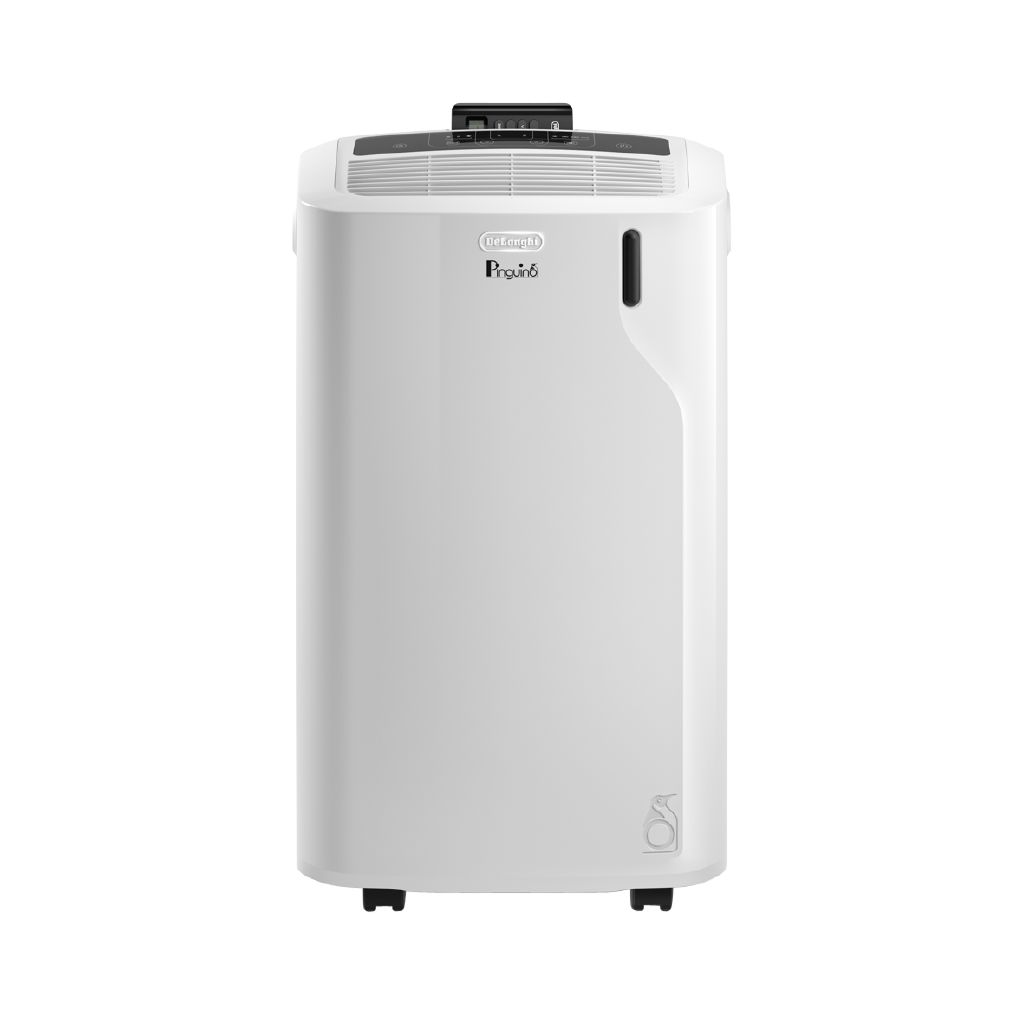
De'Longhi
De'Longhi Pinguino PACEM82 Portable Air Conditioner, 2.4kW
Full review →From NZ$949.00
4.1★ (18 reviews) on Noel Leeming
- + 2.4kW maximum cooling capacity — check this against your actual room with our room-size calculator
- + 4.1★ from 18 reviews on Noel Leeming — the best-reviewed portable AC we found in this market
- + Uses R290 refrigerant rather than older HFCs, and includes a dehumidifying mode alongside cooling
- + Handles and castors for moving it between rooms, plus a continuous gravity drainage system so the tank needs less manual emptying
- − Listed as 'oversized' delivery with a 7–14 business day estimate — plan ahead rather than expecting it quickly if you need cooling now
- − At $949 (up from $717.97 when we checked in August) it's a genuinely large outlay for what's meant to be the fallback option when a heat pump isn't available — worth confirming a heat pump installation quote first if there's any chance one's feasible
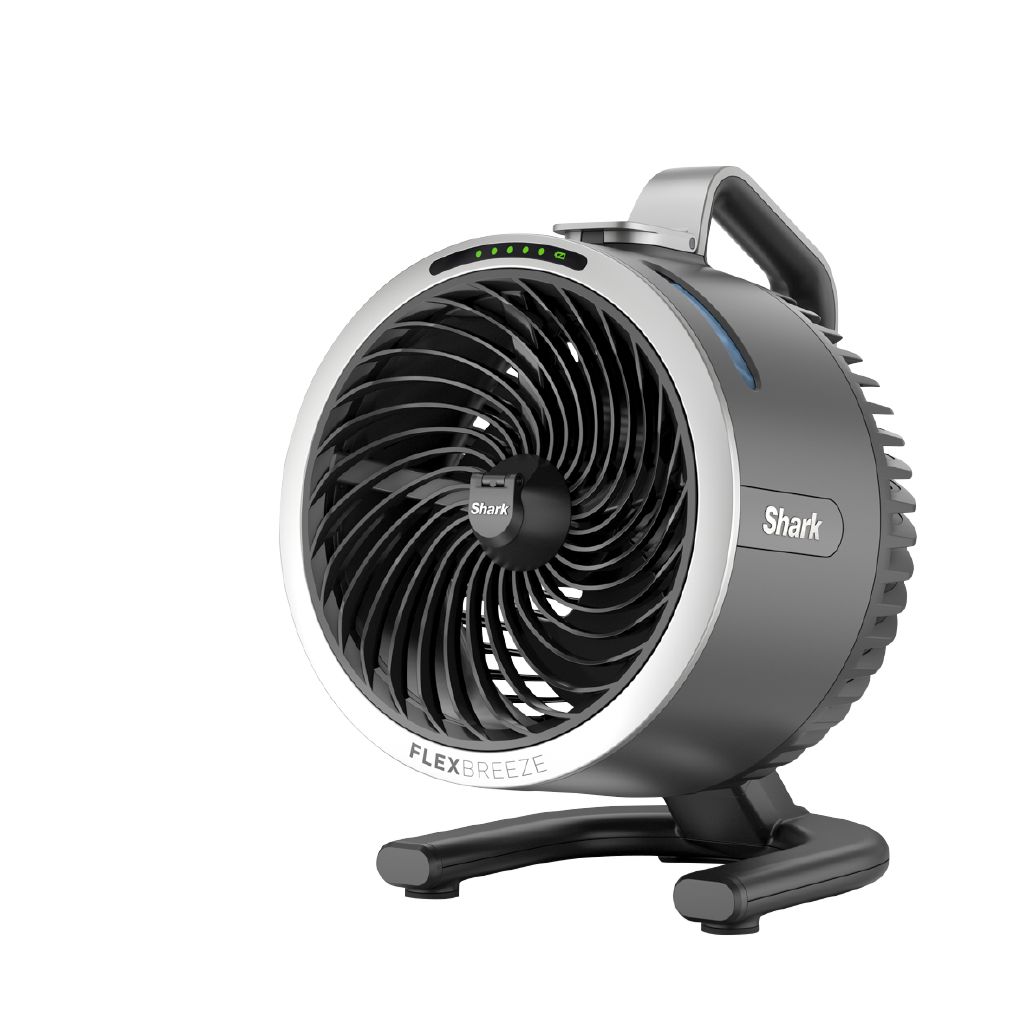
Shark
Shark FlexBreeze HydroGo Misting Portable Fan
Full review →From NZ$249.00
4.8★ (11 reviews) on Noel Leeming
- + 4.8★ from 11 reviews on Noel Leeming, with '100+ people viewed this in the last week' — genuine recent interest, not just a static listing
- + Corded or cordless (up to 12 hours battery) with a built-in misting tank — genuinely useful for an outdoor deck or patio as well as a bedroom
- + 2-year manufacturer's warranty
- − It's a compact personal/area fan, not a whole-room circulator — don't expect it to move air the way a larger pedestal fan does
- − The misting function needs refilling and adds upkeep a plain fan doesn't have, if you don't actually want that feature
Frequently asked questions
- What temperature should I set my heat pump to in summer?
- Somewhere around 24–27°C is the practical sweet spot for most New Zealand homes — comfortable without making the unit work harder than it needs to. Setting it much lower doesn't cool the room any faster; heat pumps cool at a fixed rate regardless of the target temperature, so an aggressively low setting just means it runs longer and uses more power to get there and stay there.
- Should I use 'Cool' mode or 'Auto' mode in summer?
- Use 'Cool' mode specifically. 'Auto' mode lets the unit decide whether to heat or cool based on its own sensor, which can work against you on a day that starts cool and heats up, or in a room with an oddly placed thermostat. 'Dry' mode prioritises dehumidifying over cooling and won't bring the temperature down as effectively. If you actually want cooling, tell it to cool.
- Does closing doors and windows actually make a difference?
- Yes, more than most people assume. Heat pumps are designed to condition a sealed space — if warm outdoor air is constantly leaking in through an open window or door, the unit never catches up and just runs continuously at higher power draw. This is the single easiest free change if your heat pump doesn't seem to be cooling a room effectively.
- My heat pump doesn't reach my bedroom — what are my options?
- This is genuinely common in New Zealand, since many heat pumps were installed primarily for winter heating in a living area, not for cooling every room in the house. Rather than a second heat pump installation, a portable air conditioner or a good fan are the realistic lower-cost options for a single room that isn't covered — see the products on this page for real examples of each.