Do You Actually Need to Buy Anything to Stay Cool?
New Zealand summers are genuinely milder than Australia's — for a real share of readers, the honest answer is a good fan, not a purchase you've been putting off making bigger than it needs to be.
By KeepCoolExpert Team · Updated 14 October 2026
Most cooling advice starts from the assumption that you’re going to buy something — the only question is what. For a genuinely large number of New Zealand readers, that assumption is wrong, and this page exists to say so plainly rather than manufacture a reason to recommend a bigger purchase.
New Zealand summers are genuinely milder
Most of the country sees summer days in the 20–28°C range, with the hottest days in most areas topping out around 27–28°C. That’s meaningfully cooler than an Australian summer, and it’s within the range where a good fan — one that actually moves real airflow across you at night, not a cheap desk fan — is a genuinely sufficient answer for a large share of readers, not a compromise while you save up for something bigger.
Where that honest answer changes
This isn’t true everywhere in the country, and it’s worth being specific about where it breaks down:
- Auckland and Northland run warmer and more humid than the rest of New Zealand, and are the parts of the country most likely to have days where a fan alone genuinely isn’t enough.
- Inland Canterbury and Central Otago get a different kind of heat — dry, and capable of exceeding 35°C on the worst days. Different mechanism to Auckland’s humidity, same practical conclusion: more than a fan, on those specific days.
- Any home that holds heat badly — a lot of west-facing glass, poor insulation, a room that stays warm well into the evening — will struggle with a fan alone regardless of the regional average, because the problem is the room, not the climate.
If a fan genuinely is enough
Get a real one, not the cheapest option going. A fan with real airflow and a misting or cooling function does noticeably more than a basic desk fan, particularly for sleeping through a warm night — see the fan on this page as a real, verified example.
If you need more than a fan
Two honest paths, in order of what to check first:
- Do you already have a heat pump? As covered in our heat pump cooling-mode guide, most New Zealand homes do — and using its cooling mode properly is very likely cheaper and more effective than buying something new.
- If you don’t, or it doesn’t reach the room that needs it, a portable air conditioner is the realistic next step — see the option on this page for a real, verified example.
Not sure which camp you’re in? Our room-size calculator gives an honest read on what your specific room actually needs, rather than a generic answer for the whole country.
Worth considering
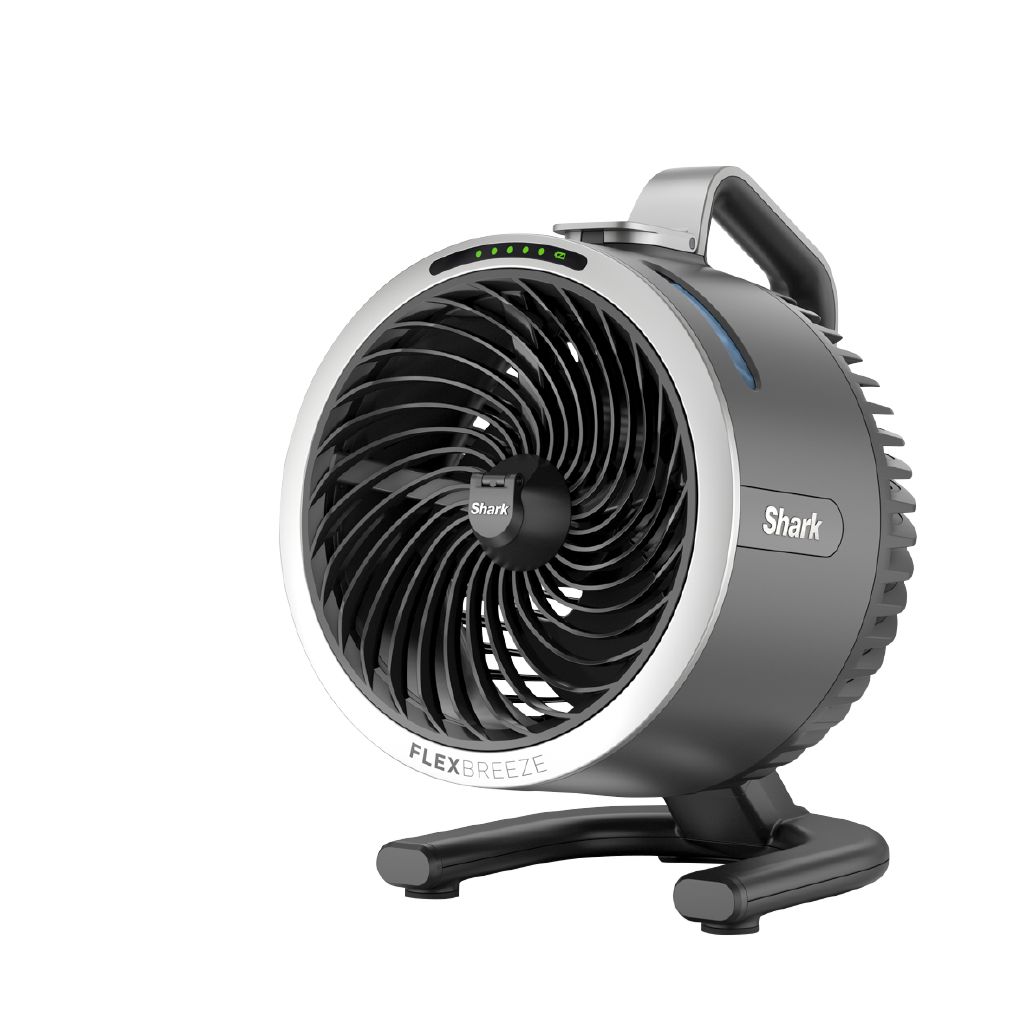
Shark
Shark FlexBreeze HydroGo Misting Portable Fan
Full review →From NZ$249.00
4.8★ (11 reviews) on Noel Leeming
- + 4.8★ from 11 reviews on Noel Leeming, with '100+ people viewed this in the last week' — genuine recent interest, not just a static listing
- + Corded or cordless (up to 12 hours battery) with a built-in misting tank — genuinely useful for an outdoor deck or patio as well as a bedroom
- + 2-year manufacturer's warranty
- − It's a compact personal/area fan, not a whole-room circulator — don't expect it to move air the way a larger pedestal fan does
- − The misting function needs refilling and adds upkeep a plain fan doesn't have, if you don't actually want that feature
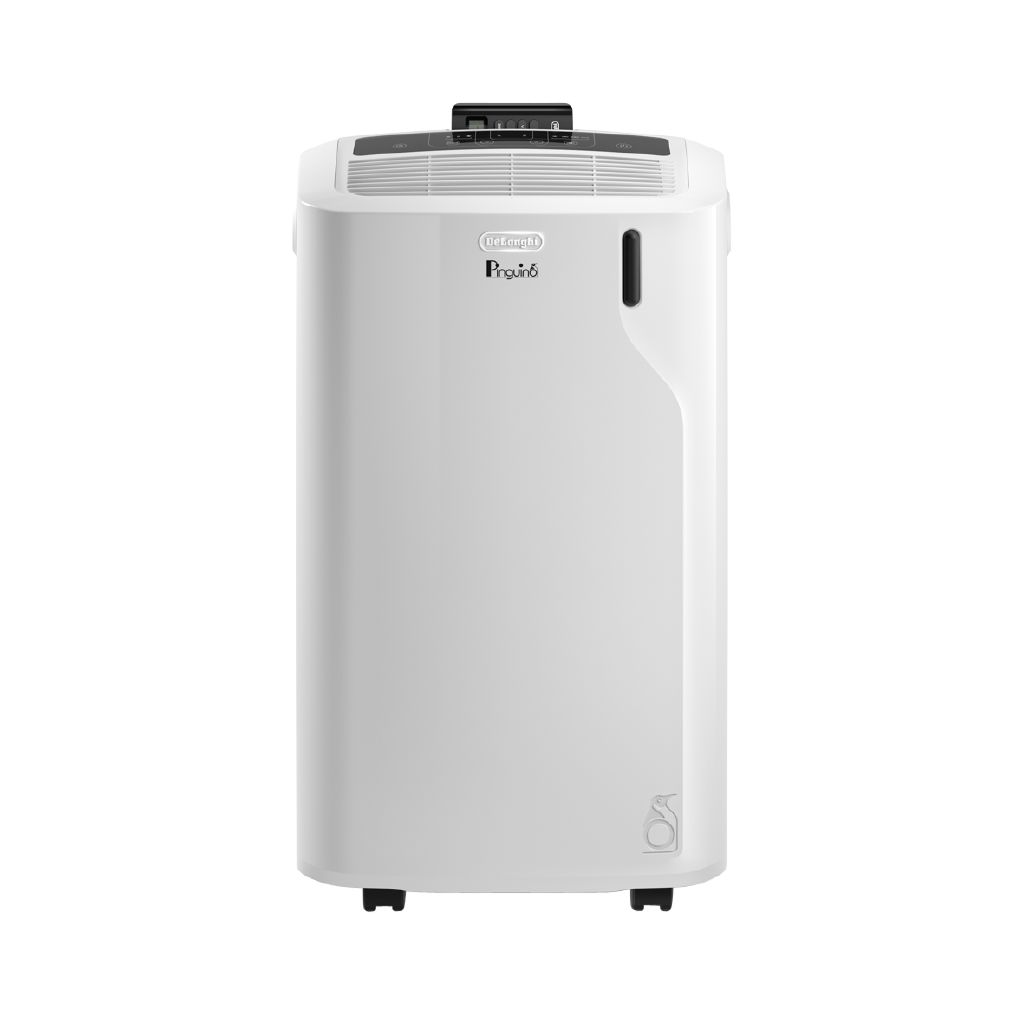
De'Longhi
De'Longhi Pinguino PACEM82 Portable Air Conditioner, 2.4kW
Full review →From NZ$949.00
4.1★ (18 reviews) on Noel Leeming
- + 2.4kW maximum cooling capacity — check this against your actual room with our room-size calculator
- + 4.1★ from 18 reviews on Noel Leeming — the best-reviewed portable AC we found in this market
- + Uses R290 refrigerant rather than older HFCs, and includes a dehumidifying mode alongside cooling
- + Handles and castors for moving it between rooms, plus a continuous gravity drainage system so the tank needs less manual emptying
- − Listed as 'oversized' delivery with a 7–14 business day estimate — plan ahead rather than expecting it quickly if you need cooling now
- − At $949 (up from $717.97 when we checked in August) it's a genuinely large outlay for what's meant to be the fallback option when a heat pump isn't available — worth confirming a heat pump installation quote first if there's any chance one's feasible
Frequently asked questions
- Is a fan really enough for a New Zealand summer?
- For a genuinely large share of the country, yes, most of the time. Most of New Zealand sees summer days in the 20–28°C range, which is squarely within what a good fan can make comfortable, especially at night when a fan's main job — moving air across your skin to help sweat evaporate — matters most. It's not enough for everyone or every week, but it's more often enough than most cooling advice assumes.
- Where in New Zealand actually needs more than a fan?
- Auckland and Northland run warmer and more humid than the rest of the country, and inland regions like Central Otago and inland Canterbury get genuinely hot, dry heat that can exceed 35°C on the worst days — different problem, but still a real one. If you're in one of those areas, or your home holds heat badly (a north-facing room, a lot of glass, poor insulation), a fan alone is more likely to fall short.
- What's the actual difference between a heat pump and buying a portable air conditioner?
- If you already have a heat pump, its cooling mode is very likely the better option before buying anything else — see our guide to getting the most from your heat pump's cooling mode. A portable air conditioner makes sense specifically when a room isn't covered by an existing heat pump, or you don't have one at all and installing a heat pump isn't realistic for your situation right now.
- Isn't it in a cooling site's interest to just tell me to buy something?
- That's exactly the bias this page is trying to avoid. This site earns nothing extra by telling you a fan is enough versus recommending a bigger purchase — the honest answer is the point, not a sales angle. If your actual situation calls for more than a fan, later sections say so plainly.