The Best Cooling System for Your Australian Climate
Split-system, evaporative cooler, portable AC or fan — which one actually wins depends heavily on whether you're in Perth or Brisbane. A straight answer for every major climate zone, not one verdict for the whole country.
By KeepCoolExpert Team · Updated 14 October 2026
- Split-system air conditioner
- Portable air conditioner
- Evaporative cooler
- Fan
Our verdict
There's no single best cooling method for Australia. Evaporative cooling is genuinely the smart, cheap choice in Perth or Adelaide's dry heat — and close to a waste of money in Brisbane's humidity, where split-system is the real answer. Check your own climate zone below rather than trusting a generic top pick.
Most guides to cooling your home give one verdict and apply it everywhere. That doesn’t work in Australia — the country spans dry desert climates, humid subtropical coasts, and genuine tropical humidity, and the honest best answer for a Perth home is close to the wrong answer for a Brisbane one. Here’s what actually works best, by area.
The real breakdown, by climate zone
| Area | Typical summer humidity | Best pick |
|---|---|---|
| Perth, Adelaide, inland NSW/VIC | Often below 30–40% | Evaporative cooler — genuinely excellent here, not a compromise |
| Melbourne | Around 51% on average | Split-system for reliability; evaporative is good on hot dry days specifically |
| Sydney, especially coastal suburbs | Frequently above 50%, spikes after storms | Split-system if you can install one, portable AC if you can’t |
| Brisbane | Subtropical, consistently humid | Split-system — evaporative is a poor fit here |
| Darwin, far north Queensland | Persistently high (tropical) | Split-system or portable AC only — evaporative isn’t built for this climate |
Perth, Adelaide, and inland dry regions
This is the one part of the country where evaporative cooling isn’t a budget compromise — it’s the genuinely smart choice. Dry air is exactly what the technology needs to work well, so you get a unit that’s cheaper to buy, substantially cheaper to run, and adds welcome moisture back into dry air, all without giving up much real cooling performance. Our evaporative cooling climate guide has the full breakdown of what to check before buying one for a dry climate specifically.
Melbourne
Genuinely borderline, and worth knowing that going in rather than being surprised by it. Melbourne’s humidity averages around 51% — right at the edge of where evaporative cooling stays effective — so a unit will perform well on the hot, dry days that dominate a Melbourne heatwave, but noticeably worse through the city’s more humid, changeable spells. If you want reliable performance regardless of the day’s specific weather, a split system is the safer year-round bet; if you’re comfortable with some day-to-day variation in exchange for a much cheaper unit and running cost, evaporative is a genuinely reasonable choice here in a way it isn’t further north or along the coast.
Sydney, especially coastal suburbs
Coastal humidity is the deciding factor. Sydney, particularly its eastern and coastal suburbs, regularly sits in humidity ranges where evaporative cooling struggles — inland suburbs fare somewhat better, but it’s not a climate the technology was built for. A split system is the real answer if you can get it installed; see our split-system buying guide for how landlord consent and strata approval actually work, since that’s the real obstacle for a lot of Sydney renters and apartment residents. If installation genuinely isn’t realistic for your situation, a portable air conditioner is the practical fallback with none of that approval process.
Brisbane
More decisively humid than Sydney, and evaporative cooling fares correspondingly worse — a meaningful share of the unit’s output goes to fighting humidity it can’t overcome, rather than actually cooling your room. Split-system is the straightforward answer here if installation is possible; a portable unit is the fallback if it isn’t.
Darwin and far north Queensland
Persistent tropical humidity means evaporative cooling isn’t recommended at all in this climate, full stop — regardless of brand, tank size, or price. Split-system is the benchmark if you can install one; portable AC is the realistic option if you can’t, though expect it to work harder in this climate than it would further south.
Not sure which camp you’re in?
Check your area’s actual Bureau of Meteorology summer humidity averages rather than guessing from how the air feels on a given day — a hot, dry afternoon and a humid, overcast one can call for opposite verdicts even within the same city. Once you know your cooling type, our room-size calculator covers sizing, and our bedroom cooling guide covers the specific priorities that change when it’s a room you’re sleeping in.
Worth considering
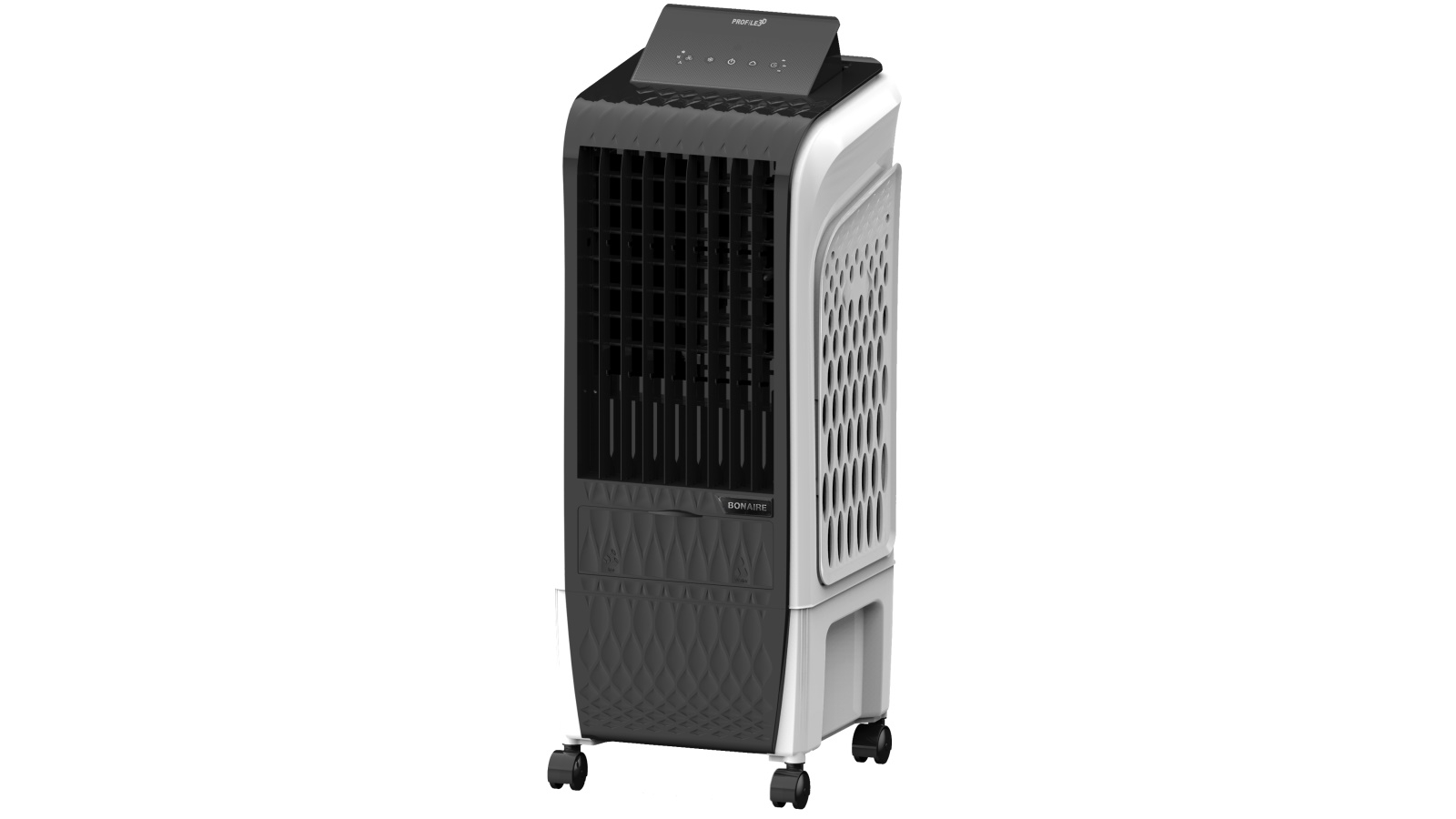
Bonaire
Bonaire Profile 3D 12i Portable Evaporative Air Cooler
Full review →From A$278.00
4.1★ (28 reviews) on Harvey Norman
- + 28 reviews at 4.1★ — a genuinely larger review sample than most evaporative coolers this size
- + Remote control with a magnetic dock and off-timer, plus multi-directional wheels for moving it between rooms
- + Bonaire is an Australian cooling specialist brand, not a generic imported appliance
- − 12L tank is smaller than larger units in this category — expect more frequent refills on hot days
- − Touch control panel rather than physical buttons, which some reviewers find less intuitive
- − Like any evaporative cooler, it's only genuinely effective in dry climates — check the guide's climate breakdown before buying
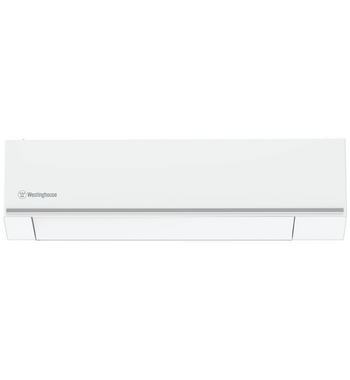
Westinghouse
Westinghouse 3.6kW Split System Reverse Cycle Air Conditioner WSD36HWA
Full review →From A$848.00
4.7★ (50 reviews) on Appliances Online
- + 4.68★ from 50 reviews — a genuinely large, trustworthy sample for a split system at this price point
- + Sleep Mode automatically adjusts temperature and fan speed overnight, and FollowMe adjusts based on your remote's location rather than the wall unit's own sensor
- + Self-clean function and app control (+Home) included as standard, not a premium add-on
- − Appliances Online showed A$848 on 2026-10-14, which it described as 49% off an RRP of A$1,649; our August check had it at A$1,569, so this looks like a sale price that may not last
- − 3.6kW suits a single bedroom or small living area — check actual room size with our room-size calculator before assuming it covers an open-plan space
- − Installation is a separate, quoted job on top of the unit price — this figure is the hardware only
- − Reverse-cycle systems like this need a professional installer for the outdoor unit and refrigerant lines, not a DIY job

EWT
EWT 3.3kW Portable Air Conditioner
Full review →From A$799.00
4.5★ (6 reviews) on JB Hi-Fi
- + 3.3kW cooling, rated for rooms up to 22m² — check this against your actual room with our room-size calculator
- + Uses R290 refrigerant rather than older HFCs — lower environmental impact
- + 24-hour timer and 3 fan speeds, with a dehumidifying mode for humid coastal nights
- − 4.5★ is from only 6 reviews — a genuinely good rating, but thin sample size compared to how heavily-reviewed split-system units are
- − At 24kg it's genuinely heavy to move between rooms despite being called portable — check you're comfortable shifting that weight before buying
- − Only 1-year manufacturer's warranty — short next to some split-system alternatives that carry 5+ years
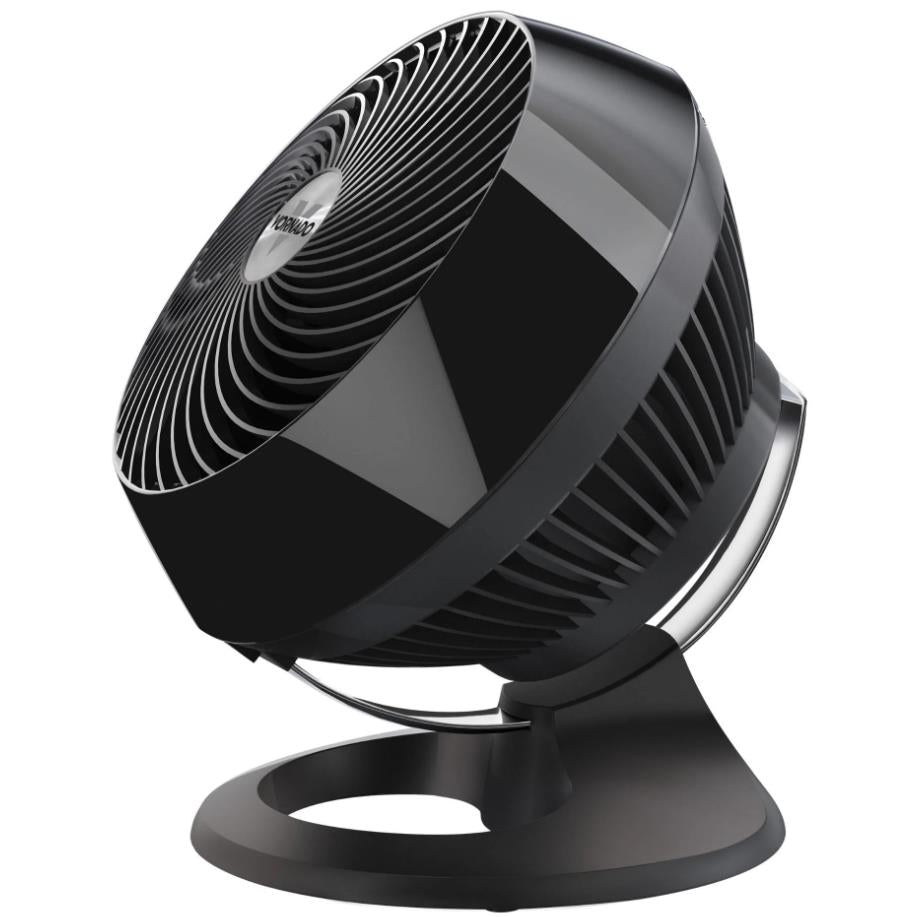
Vornado
Vornado 660 Air Circulator Floor Fan
Full review →From A$279.00
4.7★ (32 reviews) on JB Hi-Fi
- + 4.7★ from 32 reviews on JB Hi-Fi — the best-reviewed fan we found in this search, not just the best-marketed one
- + Vortex airflow circulates a whole room (rated up to 30.5m of throw) rather than just blowing directly on one spot
- + 5-year manufacturer's warranty — well above the 1–2 years typical of cheaper pedestal fans
- − No remote control or oscillation — it's a fixed-position circulator you aim once and leave, not a bedside fan you adjust from bed
- − No app control or smart features — this is a straightforward mechanical fan, not a connected one
Frequently asked questions
- What if I'm renting and can't install a split system?
- A portable air conditioner is the practical fallback — it needs no landlord consent or strata approval, since it's just plugged in and vented through a window. It costs more to run than a split system and doesn't perform quite as well, but it's a genuine option regardless of your climate zone or rental situation. See our split-system guide for how the approval process actually works if you want to push for one anyway.
- Is there one cooling type that works reasonably well everywhere in Australia?
- A fan is the closest thing to a universal option — it's cheap, needs no installation, and works the same regardless of humidity, but it cools you rather than the room, so it won't help much through a genuine heatwave. A portable air conditioner also works consistently everywhere, at the cost of running more expensively than a split system. Evaporative cooling is the one method that varies most dramatically by where you live — excellent in some cities, close to useless in others — so it's the one worth checking against your specific climate before buying.
- How do I check which climate zone I'm actually in?
- Look up your area's typical summer relative humidity via the Bureau of Meteorology rather than guessing from how the air feels. As a rule of thumb: under 40% and evaporative cooling works well, above 50% expect a real drop in performance, and above 70% expect it to barely cool the room at all. A hot, dry 35°C day and a humid, overcast 30°C day can call for opposite answers, even in the same city.