Bushfire Smoke Is Back — Which Cooling Method Is Actually Safe to Run
The 2025-26 bushfire season has already brought some of the most dangerous fire weather southeastern Australia has seen since Black Summer. Real official guidance on which cooling method helps, and which one actively makes indoor air worse.
By KeepCoolExpert Team · Updated 14 October 2026
The 2025-26 Australian bushfire season is already serious — parts of southeastern Australia have seen some of the most dangerous fire weather since the 2019-20 Black Summer fires, with real damage and loss of life in Victoria and New South Wales this year. Alongside the direct fire risk itself, bushfire smoke raises a real, specific question this site can actually help answer: which of the cooling methods we cover is safe to run when the air outside isn’t.
A safety note before the rest of this: this page is general information about which cooling appliance helps versus hurts during smoke — it isn’t medical advice, and it isn’t a substitute for official warnings. If a fire, health, or air quality authority tells you something different, including to evacuate, follow that over anything here. If anyone in your home is having trouble breathing or shows signs of smoke-related illness, seek medical help immediately.
The one thing worth knowing before anything else
Official Australian health guidance during a smoke event is consistent: close windows and doors, and if you have one, run a reverse-cycle air conditioner set to recirculate indoor air rather than draw in fresh air from outside. Research from the 2019-20 fires found indoor fine particulate levels up to ten times lower than outdoor levels in homes doing exactly this.
Evaporative coolers are the one method that works against this. Their entire mechanism depends on pulling outside air through water-soaked pads — during a smoke event, that draws smoke-affected air directly into the room you’re trying to protect. This isn’t about any specific brand or model; it’s true of every evaporative cooler, including good ones we’d otherwise recommend without hesitation for the right dry climate.
What to actually run, by what you already have
If you have a reverse-cycle split system, this is exactly the situation it’s built for — set it to recirculate rather than drawing in outside air, and it genuinely helps rather than just failing to make things worse.
If you only have a fan, it’s a reasonable fallback specifically because it moves air that’s already inside your sealed home rather than pulling anything in from outside. It won’t filter what’s already indoors, but it doesn’t actively worsen it either.
If you only have an evaporative cooler, the honest answer is to not run it on smoke-affected days specifically, even though it’s a perfectly good choice the rest of the time in a dry climate. Seal the house and wait it out, or use a plain fan instead for that specific day.
If you’re deciding what to buy and live somewhere smoke events are a real, recurring concern, that’s a genuine reason to weigh a reverse-cycle split system more heavily against an evaporative cooler than climate alone might suggest — see our climate-by-area breakdown for the normal-conditions case, and factor this in on top of it.
What’s genuinely outside our expertise
Real-time air quality monitoring, evacuation guidance, and general bushfire safety planning are genuinely outside what this site can responsibly advise on — your state’s environmental protection authority publishes live air quality data, and the Australian Centre for Disease Control publishes real bushfire smoke health guidance. We can tell you which appliance helps or hurts; we’re not the source for whether a fire is actually a threat to your area right now. See our disclaimer for how we think about the limits of what we can responsibly advise on.
If you haven’t already sorted your own setup for the season generally, our El Niño summer prep guide covers the broader picture, including why buying or servicing cooling gear now beats waiting for a heatwave to force the issue.
Worth considering
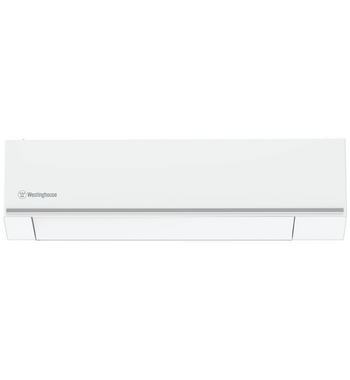
Westinghouse
Westinghouse 3.6kW Split System Reverse Cycle Air Conditioner WSD36HWA
Full review →From A$848.00
4.7★ (50 reviews) on Appliances Online
- + 4.68★ from 50 reviews — a genuinely large, trustworthy sample for a split system at this price point
- + Sleep Mode automatically adjusts temperature and fan speed overnight, and FollowMe adjusts based on your remote's location rather than the wall unit's own sensor
- + Self-clean function and app control (+Home) included as standard, not a premium add-on
- − Appliances Online showed A$848 on 2026-10-14, which it described as 49% off an RRP of A$1,649; our August check had it at A$1,569, so this looks like a sale price that may not last
- − 3.6kW suits a single bedroom or small living area — check actual room size with our room-size calculator before assuming it covers an open-plan space
- − Installation is a separate, quoted job on top of the unit price — this figure is the hardware only
- − Reverse-cycle systems like this need a professional installer for the outdoor unit and refrigerant lines, not a DIY job
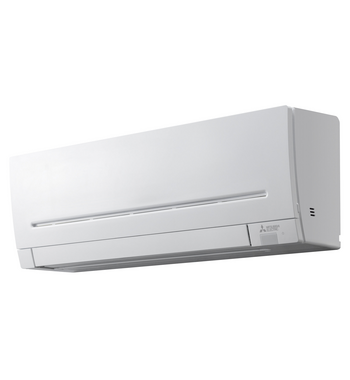
Mitsubishi Electric
Mitsubishi Electric 3.5kw Reverse Cycle Split System Air Conditioner MSZAP35VGKIT
Full review →From A$1364.00
5.0★ (2 reviews) on Appliances Online
- + Mitsubishi Electric is one of the most established reverse-cycle brands in the Australian market, with a long local parts and servicing network
- + Remote control with remote storage on the indoor unit, so it isn't a separate thing to lose
- + Same size as the Westinghouse above but currently about A$500 dearer at Appliances Online (the Westinghouse was on sale on 2026-10-14), so worth comparing directly if you're choosing between the two
- − Only 2 reviews on this listing at time of writing — the brand's reputation is well established, but this specific listing's review sample is thin
- − 3.5kW suits a single room, not an open-plan area — check with our room-size calculator before buying
- − Same as any split system: professional installation is a separate, additional cost to the unit price shown here
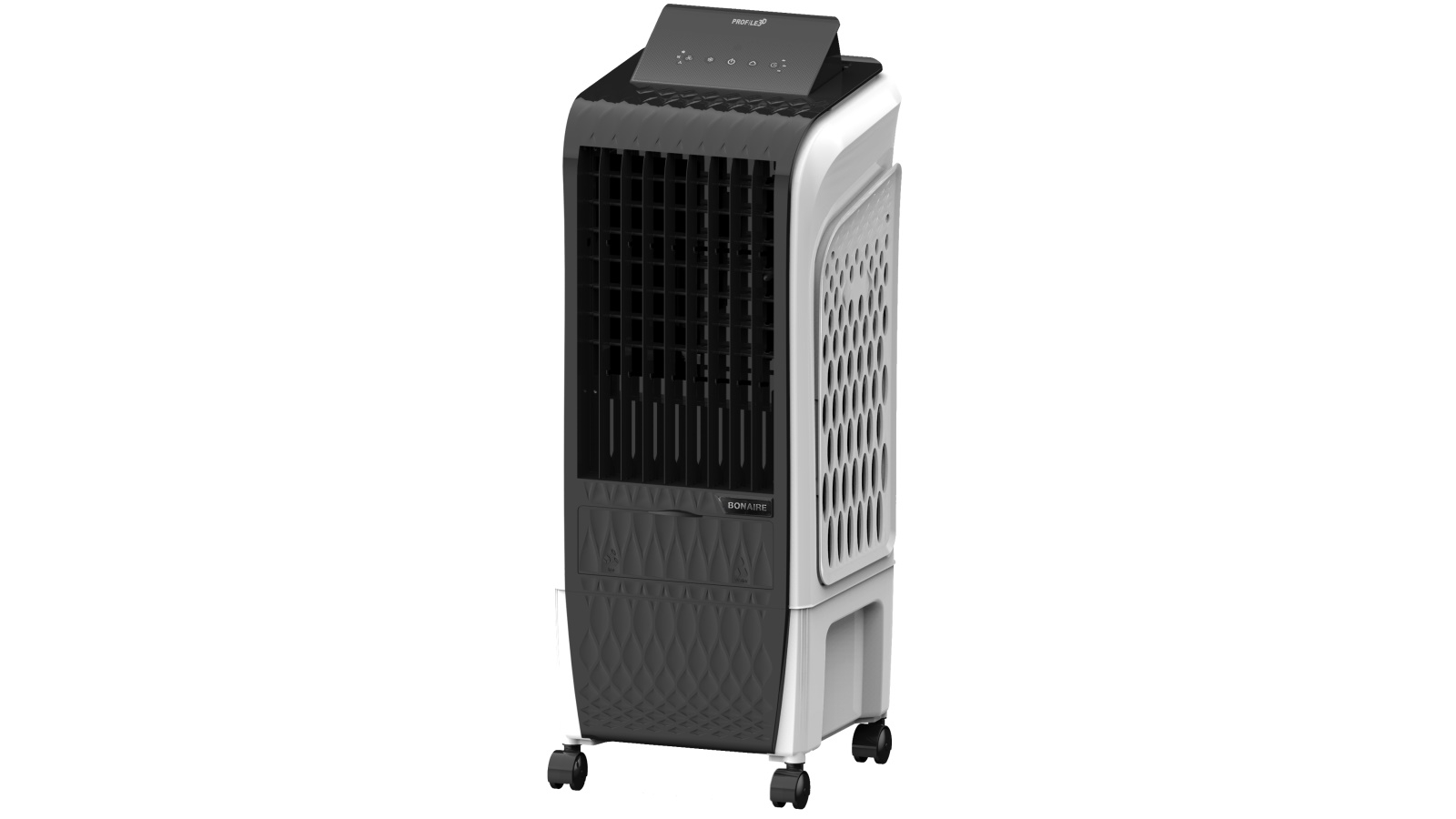
Bonaire
Bonaire Profile 3D 12i Portable Evaporative Air Cooler
Full review →From A$278.00
4.1★ (28 reviews) on Harvey Norman
- + 28 reviews at 4.1★ — a genuinely larger review sample than most evaporative coolers this size
- + Remote control with a magnetic dock and off-timer, plus multi-directional wheels for moving it between rooms
- + Bonaire is an Australian cooling specialist brand, not a generic imported appliance
- − 12L tank is smaller than larger units in this category — expect more frequent refills on hot days
- − Touch control panel rather than physical buttons, which some reviewers find less intuitive
- − Like any evaporative cooler, it's only genuinely effective in dry climates — check the guide's climate breakdown before buying
Frequently asked questions
- Why shouldn't I use my evaporative cooler during a smoke event?
- Because of how it physically works, not because of anything specific to one brand or model. An evaporative cooler draws outside air through water-soaked pads and pushes that air into your room — during a smoke event, that means smoke-affected outdoor air comes inside with it, undoing the point of sealing your house in the first place. This applies to every evaporative cooler, including ones we've reviewed favourably for normal dry-climate use.
- What should I run instead if I don't have a reverse-cycle split system?
- Seal the house — close windows and doors — and if you have a plain fan, it's a reasonable fallback specifically because it only moves air already inside the sealed room rather than drawing in anything from outside. It won't filter the air the way a reverse-cycle system with a HEPA filter can, but it doesn't actively pull smoke inside either. If you're considering buying a new cooling appliance and smoke events are a real concern where you live, that's a genuine reason to prioritise a reverse-cycle split system over an evaporative cooler.
- How do I actually know if a smoke event is happening right now?
- Check your state's official air quality monitoring — each state and territory environmental protection authority publishes real-time air quality index data, and this is a more reliable signal than judging it by how the air looks or smells from inside a sealed house. We're not the right source for real-time air quality or bushfire safety information; your state's air quality authority and the Australian Centre for Disease Control's bushfire smoke guidance are the genuine authorities here.
- Does this mean I shouldn't buy an evaporative cooler at all?
- No — for the dry climate zones where evaporative cooling genuinely excels, it remains a legitimate, cost-effective choice for normal cooling on ordinary hot days. The caution here is specifically about smoke-affected days, not a reason to avoid the category altogether. See our climate-by-area breakdown for where evaporative cooling is and isn't the right call generally.