The Bureau Has Declared a Major El Niño — How to Actually Prepare Your Cooling for This Summer
BOM has declared El Niño active, with modelling pointing to one of the strongest events in the modern era. Here's what that genuinely means for a hot, dry Australian summer, and what's actually worth doing about it now rather than in December.
By KeepCoolExpert Team · Updated 14 October 2026
The Bureau of Meteorology has declared El Niño active, with modelling suggesting it could become one of the strongest events in the modern era. Combined with the underlying global warming trend, forecasters are pointing to a genuinely elevated risk of drought, bushfire conditions, and heatwaves across large parts of Australia through the outlook period — and separately, this same event is a real factor behind forecasts that 2027 could be the hottest year on record globally. Here’s what that actually means for how you cool your home, and what’s genuinely worth doing now rather than waiting.
What’s actually been declared, and what it doesn’t mean
El Niño is a real, measured climate state — warmer-than-normal sea surface temperatures in the tropical Pacific, which BOM tracks through defined indicators rather than guesswork. Declaring it “active” means those indicators have crossed the threshold, not that a specific outcome is locked in for your area.
Worth knowing before anything else: climate scientists are explicit that there’s only a weak relationship between how strong the Pacific signal is and how severe the local impact ends up being. A record-strength event doesn’t mean a record drought or a record heatwave everywhere it touches — it means the odds are shifted, not that the outcome is guaranteed. Treat the elevated risk as a genuine reason to prepare, not as a certain forecast for your specific area.
The part this site can actually help with
Cooling appliances are the thing we know well, so here’s the practical version: buy or service what you need now, not in December. Every year, the same pattern repeats — popular fans, portable units, and evaporative coolers sell out or jump in price once a genuine heatwave actually arrives, because demand spikes all at once. Buying ahead of the season, while stock and pricing are normal, is a real, practical edge, not just cautious advice.
A few concrete things worth doing before summer, not during it:
- Check which cooling method actually suits your area. Evaporative cooling is genuinely excellent in dry inland regions and a poor fit in humid coastal ones — our best cooling system by climate zone breaks down which applies to you specifically, since “El Niño means hotter and drier” doesn’t play out the same way in Perth as it does in Brisbane.
- If you already have a split system, get it serviced before summer, not after it stops working on the first 40°C day. A pre-season check is cheaper and far less stressful than an emergency callout during a heatwave, when every installer in the area is booked out.
- Size correctly before you buy, rather than guessing — our room-size calculator accounts for your actual room, not just floor area, so you’re not under- or over-buying.
- If you’re renting or can’t install a split system, sort out a portable AC or evaporative cooler now — see our split-system buying guide for how the installation approval process actually works if you want to pursue one, and what the realistic fallback looks like if you can’t.
What’s genuinely outside our lane
The same outlook that raises cooling demand also raises real bushfire and water-restriction risk in many areas — those are genuine, serious concerns, and we’d rather say plainly that they’re not what this site has expertise in than pretend otherwise. Your state fire authority and local water authority are the real, authoritative sources for that planning — see our disclaimer for how we think about the limits of what we can responsibly advise on.
If you haven’t already, our bedroom cooling guide is a sensible starting point for the most common single-room question this kind of forecast raises.
Worth considering
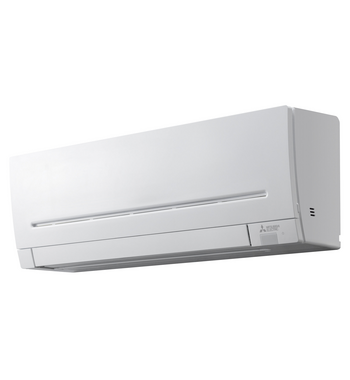
Mitsubishi Electric
Mitsubishi Electric 3.5kw Reverse Cycle Split System Air Conditioner MSZAP35VGKIT
Full review →From A$1364.00
5.0★ (2 reviews) on Appliances Online
- + Mitsubishi Electric is one of the most established reverse-cycle brands in the Australian market, with a long local parts and servicing network
- + Remote control with remote storage on the indoor unit, so it isn't a separate thing to lose
- + Same size as the Westinghouse above but currently about A$500 dearer at Appliances Online (the Westinghouse was on sale on 2026-10-14), so worth comparing directly if you're choosing between the two
- − Only 2 reviews on this listing at time of writing — the brand's reputation is well established, but this specific listing's review sample is thin
- − 3.5kW suits a single room, not an open-plan area — check with our room-size calculator before buying
- − Same as any split system: professional installation is a separate, additional cost to the unit price shown here
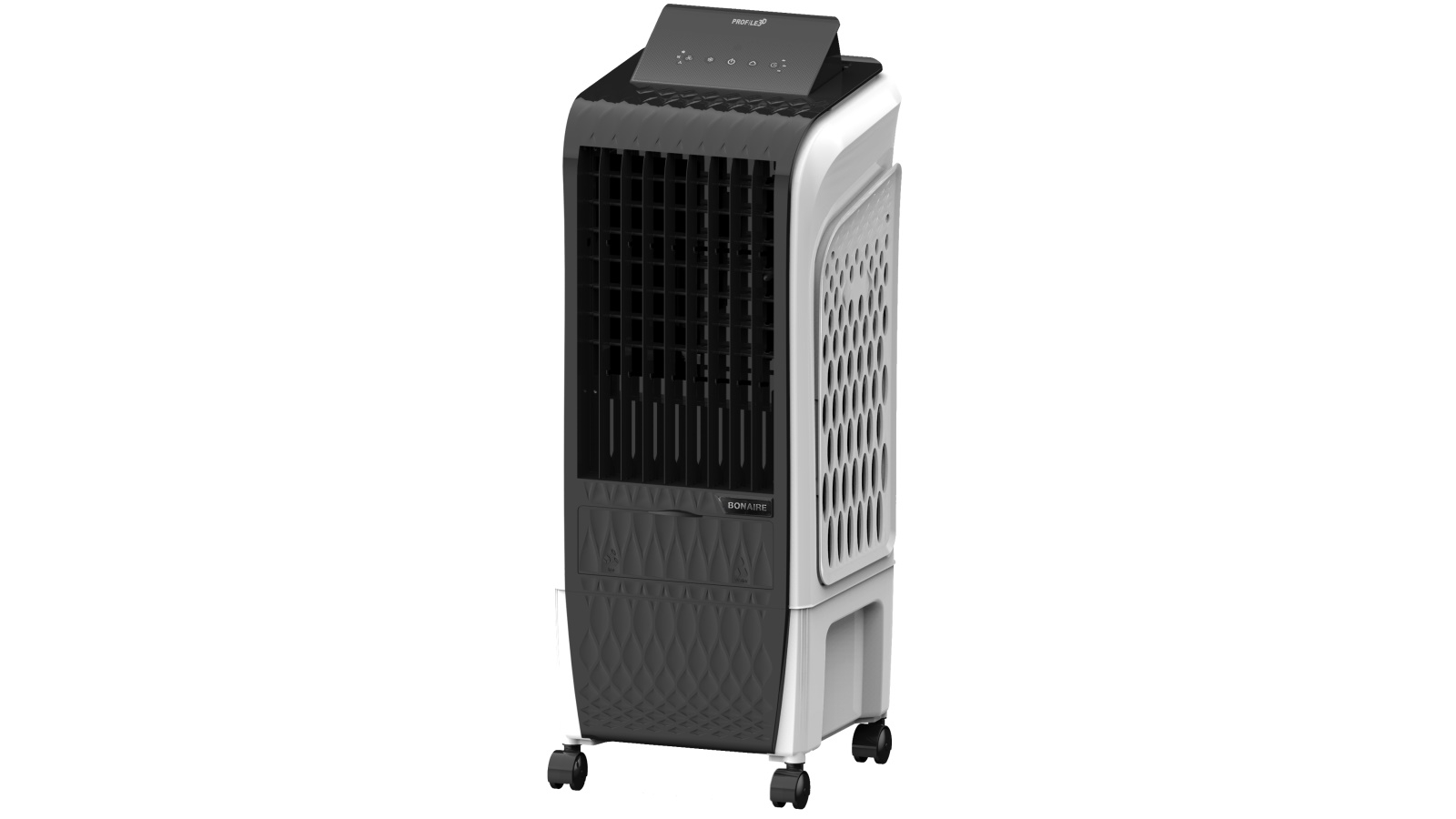
Bonaire
Bonaire Profile 3D 12i Portable Evaporative Air Cooler
Full review →From A$278.00
4.1★ (28 reviews) on Harvey Norman
- + 28 reviews at 4.1★ — a genuinely larger review sample than most evaporative coolers this size
- + Remote control with a magnetic dock and off-timer, plus multi-directional wheels for moving it between rooms
- + Bonaire is an Australian cooling specialist brand, not a generic imported appliance
- − 12L tank is smaller than larger units in this category — expect more frequent refills on hot days
- − Touch control panel rather than physical buttons, which some reviewers find less intuitive
- − Like any evaporative cooler, it's only genuinely effective in dry climates — check the guide's climate breakdown before buying
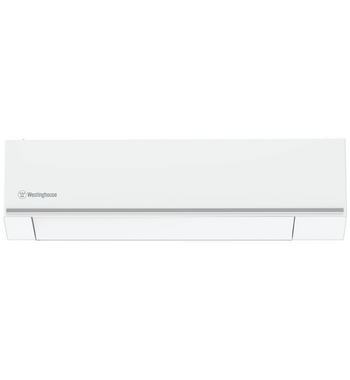
Westinghouse
Westinghouse 3.6kW Split System Reverse Cycle Air Conditioner WSD36HWA
Full review →From A$848.00
4.7★ (50 reviews) on Appliances Online
- + 4.68★ from 50 reviews — a genuinely large, trustworthy sample for a split system at this price point
- + Sleep Mode automatically adjusts temperature and fan speed overnight, and FollowMe adjusts based on your remote's location rather than the wall unit's own sensor
- + Self-clean function and app control (+Home) included as standard, not a premium add-on
- − Appliances Online showed A$848 on 2026-10-14, which it described as 49% off an RRP of A$1,649; our August check had it at A$1,569, so this looks like a sale price that may not last
- − 3.6kW suits a single bedroom or small living area — check actual room size with our room-size calculator before assuming it covers an open-plan space
- − Installation is a separate, quoted job on top of the unit price — this figure is the hardware only
- − Reverse-cycle systems like this need a professional installer for the outdoor unit and refrigerant lines, not a DIY job
Frequently asked questions
- Does a strong El Niño mean my area is definitely getting a record hot, dry summer?
- Not automatically. Climate scientists are genuinely clear that there's only a weak relationship between how strong the Pacific warming signal is and how severe the local impact turns out to be — a record-strength El Niño doesn't guarantee a record drought or heatwave where you live. What it does mean is elevated risk across the outlook period, not a certainty. Treat this as a reason to be prepared, not a forecast of doom for your specific postcode.
- Should I buy a fan, AC, or evaporative cooler now, or wait until it actually gets hot?
- Now, if you're going to at all. Stock and pricing on cooling appliances are consistently worse once a heatwave actually arrives — retailers sell out of popular models, and demand-driven price rises are common in the days before and during a genuine hot spell. Buying in spring, when demand is normal, is a real practical advantage, not just an old wives' tale.
- What about bushfire risk and water restrictions — should I be worried about that too?
- Those are real, genuine risks this outlook raises, and worth taking seriously — but they're outside what this site can responsibly advise on. For bushfire preparedness, your state's fire authority (such as the RFS in NSW or CFA in Victoria) publishes real, actionable guidance specific to your area. For water restrictions, check your local water authority. We can help with cooling; we're not the right source for fire or water safety planning.
- What does it actually mean that the Bureau has 'declared' El Niño?
- It means BOM's own climate indicators — sea surface temperatures, trade wind patterns, and cloud cover in the tropical Pacific — have met the threshold they use to classify an active El Niño event, rather than it being a looser prediction or early warning. It's a statement about current conditions, based on real measured data, not a guess about how the summer will play out.